ASPBAE Highlights Six Decades of Advancing Literacy and Lifelong Learning at UNESCO Global Conference
“Apart from embedding the lifelong learning agenda and principles in our advocacy work, ASPBAE continues to evolve its capacity-building practices to advance ALE and lifelong learning principles, policies, and practice. For instance, through the ASPBAE Basic Leadership Development Course (BLDC), we continue to deepen and strengthen the analysis and capabilities of civil society advocates and practitioners on lifelong learning and ALE principles.” – ASPBAE Capacity Support and Advocacy Adviser, Batjargal Batkhuyag
8 – 9 September 2026. Chiapas, Mexico
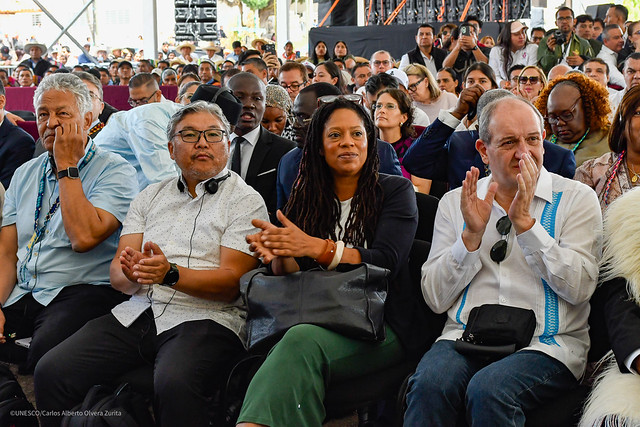
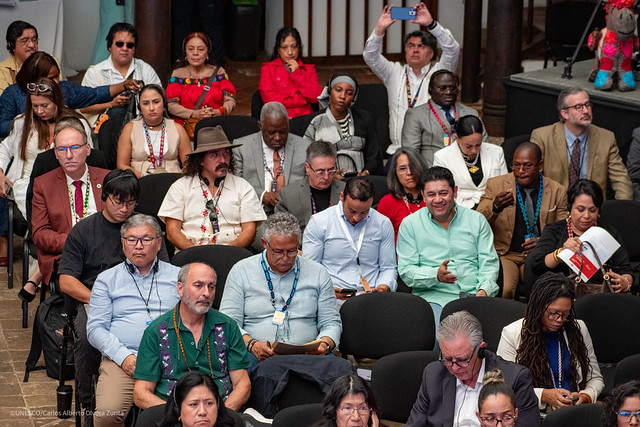
Held to mark the 60th anniversary of International Literacy Day, the conference, provided an opportunity to reflect on progress in literacy over the past six decades, examine persistent and emerging challenges, and look ahead to the future of literacy and lifelong learning. The programme also featured the UNESCO International Literacy Prizes and the annual meeting of the Global Alliance for Literacy (GAL).
Participants included representatives of UNESCO Member States and education partners, Mexican leaders and stakeholders, and staff and experts from ministries, multilateral organisations, civil society organisations, NGOs, and the private sector.
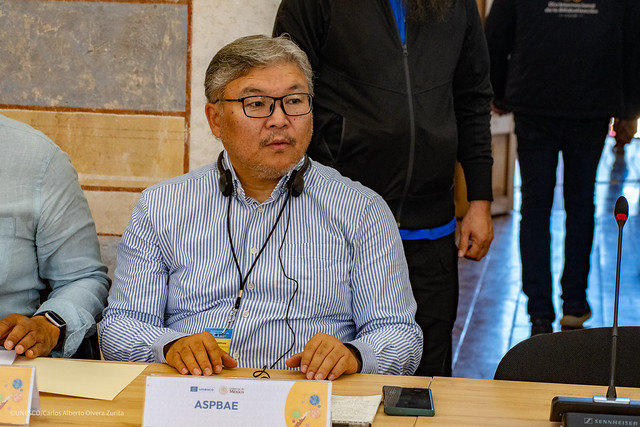
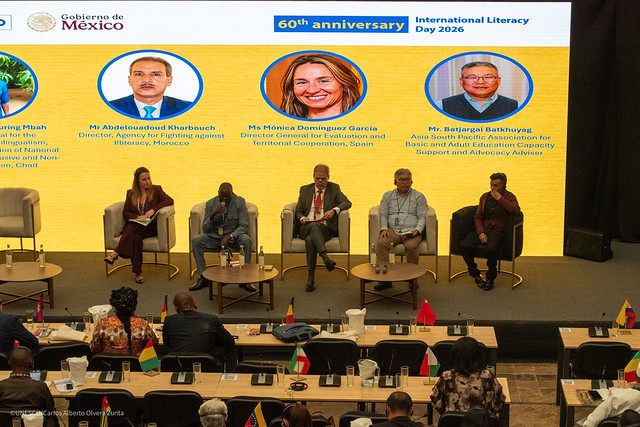
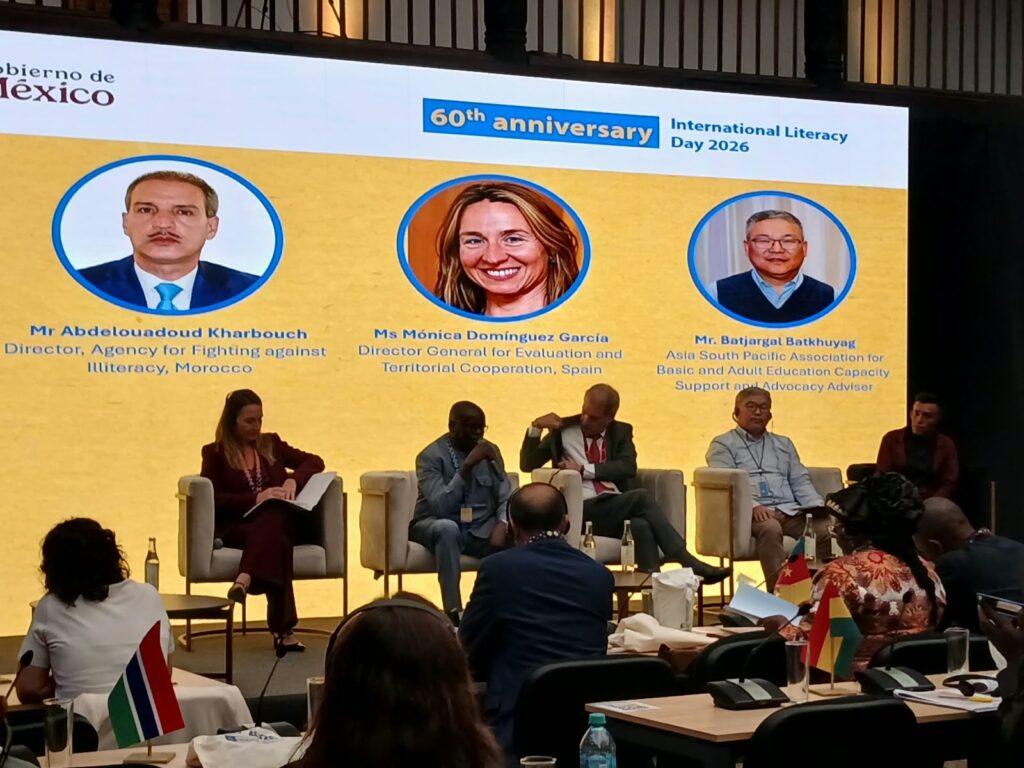
ASPBAE, as a member of GAL and a longstanding civil society partner of UNESCO, was part of the plenary panel session titled “Six Decades of Advancing Literacy,” which took stock of literacy achievements over the past 60 years.
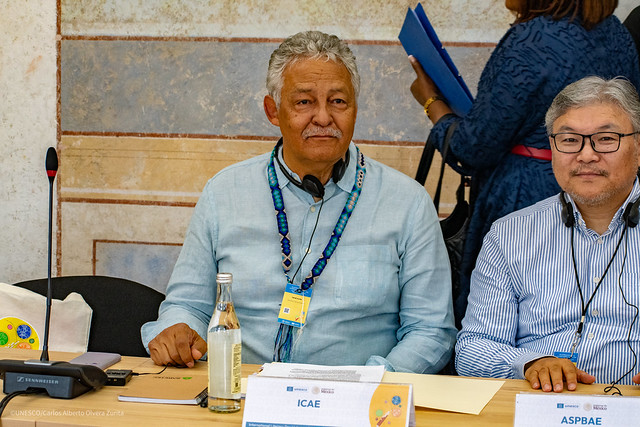
ASPBAE Capacity Support and Advocacy Adviser, Batjargal Batkhuyag, shared the organisation’s experiences in advancing literacy, adult learning and education (ALE), and lifelong learning across the Asia-Pacific region. With more than 200 members in 31 countries, Batjargal highlighted ASPBAE’s strategic role as a regional civil society network advancing the right to good quality education, including youth and adult literacy, through sustained member support, capacity-building, advocacy, and engagement in national, regional, and global policy processes.
“One of the aims of our work with members at the national level is to advance adult learning and education (ALE) policies and principles. We reinforce the frontline work of our members who are present at the country level. Currently, we support members in 10 countries—Indonesia, Philippines, India, Sri Lanka, Tajikistan, Kyrgyzstan, Pakistan, Viet Nam, Nepal, and Mongolia, through modest financial support and capacity-building efforts, advocacy strategising, and joint analysis, including spotlight reports that highlight key issues and developments in youth and adult learning and education.”
Through this country-level support, ASPBAE works alongside its members to strengthen civil society engagement and advocacy for inclusive and equitable lifelong learning policies and practices.
Batjargal also mentioned the Basic Leadership Development Course (BLDC), ASPBAE’s flagship programme, as an example of how the organisation has continued to evolve its capacity-building approaches in response to changing education contexts.
The ASPBAE BLDC strengthens the analysis, leadership, and advocacy capacities of civil society advocates and practitioners on lifelong learning and adult learning and education (ALE) principles and frameworks. He also noted ASPBAE’s annual ALE advocacy workshops and think tank convening, which is currently discussing youth and ALE in the era of digitalisation and artificial intelligence.
These initiatives support civil society organisations and advocates in deepening their understanding of emerging issues and advancing lifelong learning principles and frameworks in changing educational contexts.
At the regional and global levels, ASPBAE uses its participation in key platforms to advance ALE and lifelong learning, particularly for youth and adults.These include the SDGs-SDG4 intergovernmental processes such as the Asia-Pacific Forum on Sustainable Development (APFSD), the High-level Political Forum, the Learning and Education 2030 networking group, and the global SDG 4 High-level Steering Committee. Through these spaces, as well as its members’ spotlight reporting on SDG4, ASPBAE brings civil society perspectives into policy discussions and follows up on government commitments to lifelong learning under the Marrakesh Framework for Action.
ASPBAE’s engagement also builds on its involvement in the drafting of the Marrakesh Framework for Action and its role in the coordination committee for CONFINTEA VII. These experiences have strengthened its continued advocacy for lifelong learning and the rights of youth and adults within education and development processes.
Batjargal also emphasised intergenerational action and partnerships as a cross-cutting strategy for protecting and advancing ALE and lifelong learning.ASPBAE engages youth and marginalised groups in education advocacy at different levels through its initiatives such as Youth-led Action Research (YAR) and the ASPBAE Youth Core Team, creating opportunities for young people and marginalised communities in the Asia Pacific to contribute to policy discussions and advocacy.
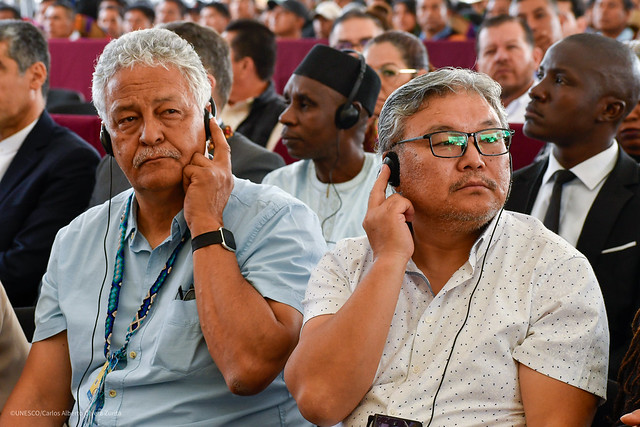
ASPBAE also sustains partnerships with organisations and networks involved in transnational ALE advocacy, including DVV International, the International Council for Adult Education (ICAE), regional civil society networks in Europe, Latin America, the Middle East, and Africa, and the UNESCO Institute for Lifelong Learning (UIL).
Through these interconnected efforts, ASPBAE continues to link community and member experiences with national, regional, and global policy processes, strengthening civil society’s role in advancing literacy, adult learning and education, and lifelong learning across the Asia-Pacific region.